Sumário
Fires pose a significant threat to industrial operations, causing substantial economic losses and, more importantly, putting lives at risk. Recent data from the Sprinkler Brazil Institute, a non-profit organization focused on fire safety, reveals a concerning scenario: in 2024, there were 2,453 structural fire incidents (occurring in warehouses, hospitals, hotels, schools, public buildings, museums, and others, excluding residences) in the country, representing a 10.4% increase compared to the previous year.
The economic impact of these incidents is considerable. For instance, a single fire at a furniture factory in the Santa Catarina state resulted in estimated losses of almost US$ 1 million. Industries such as chemical plants, recycling companies, automotive manufacturers, and textile factories are particularly vulnerable due to the nature of the materials they handle.
One of the challenges in combating fires is that traditional fire detection methods, such as smoke and heat detectors, while still useful, have significant limitations. They can be slow to respond, prone to false alarms, and ineffective in environments with high ceilings, forced ventilation, or open spaces.
These limitations, combined with the rising incidence of industrial fires, underscore the urgent need for more advanced and reliable solutions for fire detection and prevention in industrial settings. One promising option is Edge AI-based systems using computer vision technology, such as dtLabs’ AIOS, which offer a more versatile, faster, and dependable approach.
Why Apply Computer Vision to Fire Detection?
Computer vision is a technology that enables computer systems to interpret and analyze visual information similarly to humans. In the context of fire detection, this technology uses cameras and sophisticated algorithms to monitor an environment in real-time for signs of fire or smoke.
Artificial intelligence (AI) and machine learning play a crucial role in this process. Algorithms are trained on thousands of images of fires at different stages and under various conditions, allowing the system to accurately identify early signs of a fire, even in complex situations where traditional detectors might fail.
The advantages of computer vision over conventional detectors are numerous:
- Faster Detection: Computer vision-based systems can identify a fire at its earliest stages, long before heat or smoke reaches detectable levels by traditional sensors, even under low-visibility conditions.
- Lower False Alarm Rates: Through intelligent image analysis, these systems can distinguish between actual fires and phenomena that might cause detection errors, such as vapors or heat from industrial processes, significantly reducing false alarms.
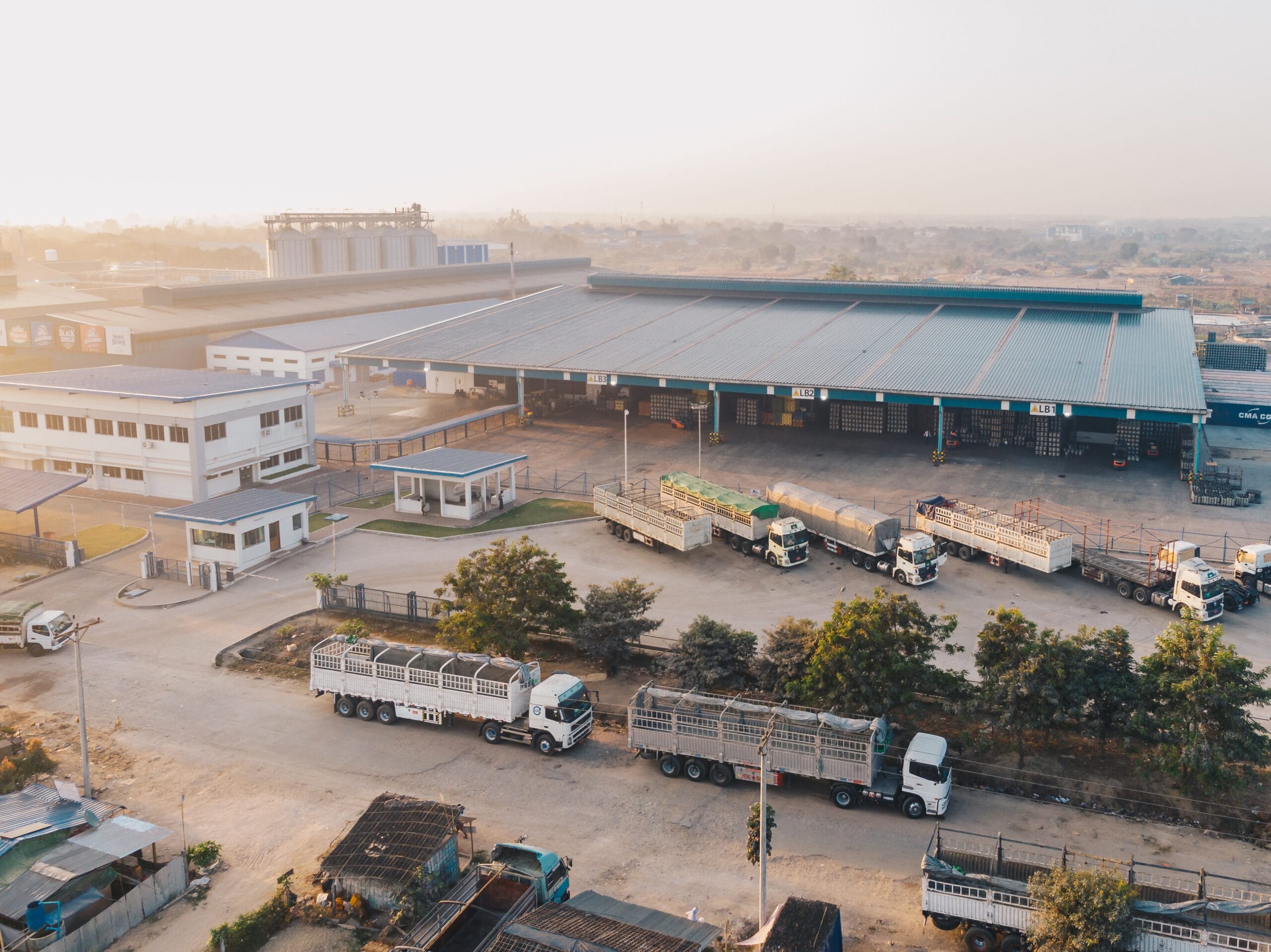
- Wider Coverage: A single camera can monitor a large area, surpassing the range limitations of point detectors. It is even possible to use drones as monitoring platforms, providing unprecedented flexibility. This is particularly important in large open spaces, such as parking lots, loading and unloading docks, or fueling stations.
- More Information: Beyond detecting fires, these systems provide real-time images of the situation. This allows for more informed and effective responses, since firefighting teams can assess the magnitude of the incident even before being dispatched.
- Proactivity: The same system infrastructure used for fire detection can be trained to assist with prevention. For example, identifying risk situations like missing firefighting equipment, accumulation of materials in critical areas, blocked emergency exits, or industrial processes (e.g., welding) generating sparks or heat near flammable materials.
AIOS: Simplifying Fire Detection with Computer Vision
AIOS by dtLabs is a no-code platform revolutionizing the implementation of computer vision solutions. Designed to overcome common challenges associated with adopting AI technologies, AIOS offers a comprehensive and user-friendly solution.
Its intuitive block-based interface allows even users without programming experience to develop and deploy customized video analysis solutions. The platform includes a library of pre-built models with specific modules for fire and smoke detection, streamlining development processes.
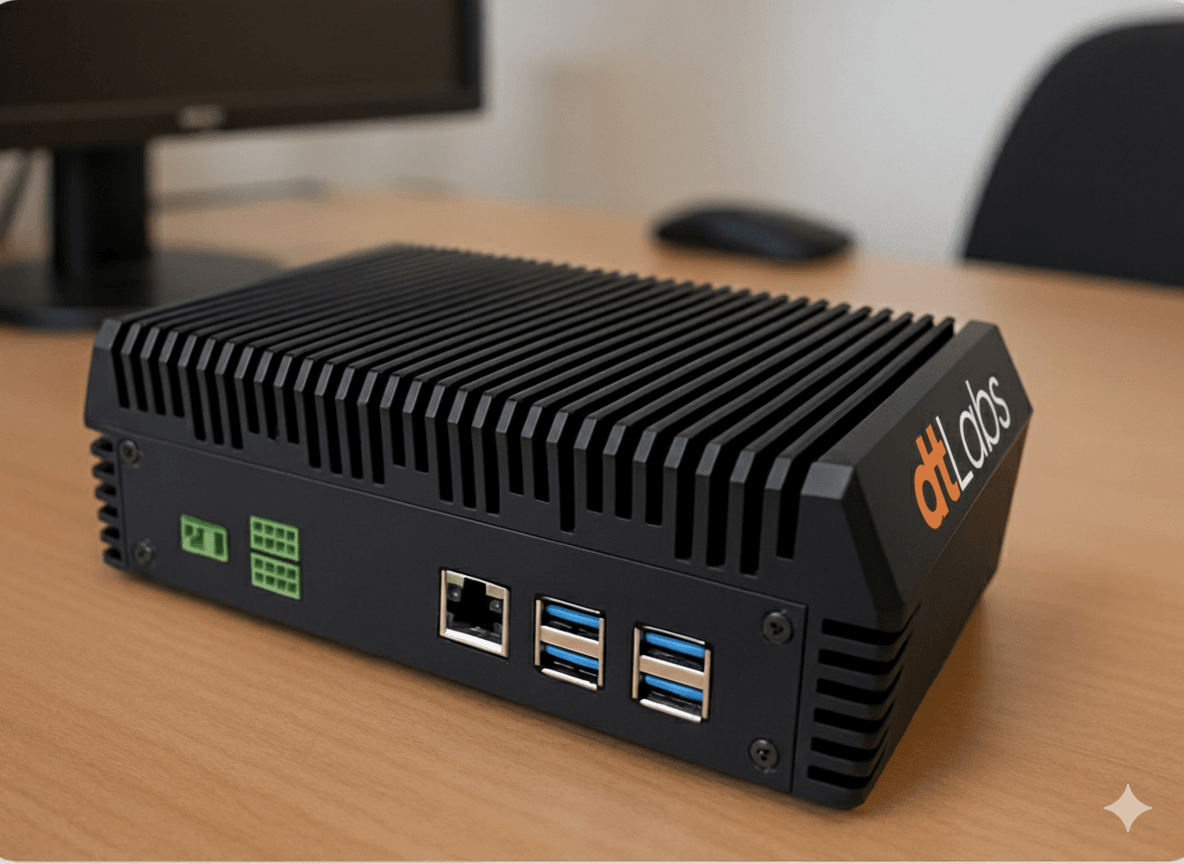
AIOS enables edge computing processing for real-time analysis without overloading internal networks, crucial for rapid emergency responses. It also provides tools for device monitoring and management, facilitating maintenance and ensuring consistent system performance.
A key feature is its seamless integration with existing security and protection systems, including alarm systems, access control mechanisms, and emergency notifications, creating a comprehensive safety network. Finally, AIOS is designed to meet stringent security requirements essential for protecting sensitive information.
With all these features combined, the platform not only simplifies implementing computer vision-based fire detection systems but also offers flexibility to adapt and expand these solutions as your business needs evolve.
Conclusion
Computer vision represents the future of fire safety, offering faster detection times, greater accuracy, and advanced capabilities that far surpass traditional methods. With platforms like AIOS, implementing these cutting-edge solutions becomes accessible for organizations of all sizes, without requiring specialized technical expertise.
For managers concerned about safeguarding their facilities and protecting their assets and employees, adopting computer vision-based fire detection systems is not just an option, it’s a strategic necessity. AIOS provides an entry point into this transformative technology, empowering organizations to elevate their fire safety standards to new heights.
Explore the possibilities offered by AIOS and discover how your organization can benefit from this innovative technology. Enhanced safety and peace of mind are investments that will undoubtedly pay off in the long term.